Key Features of Sponge Iron
-
High metallic iron (Fe) content and excellent purity
-
Can be directly charged into furnaces (DRI)
-
Increases production efficiency and reduces energy consumption
-
Produces cleaner and higher-quality steel
-
Lightweight and easier to handle compared to scrap metal
Forms and Types of Sponge Iron
Depending on the production process and usage, sponge iron is available in several forms, including:
-
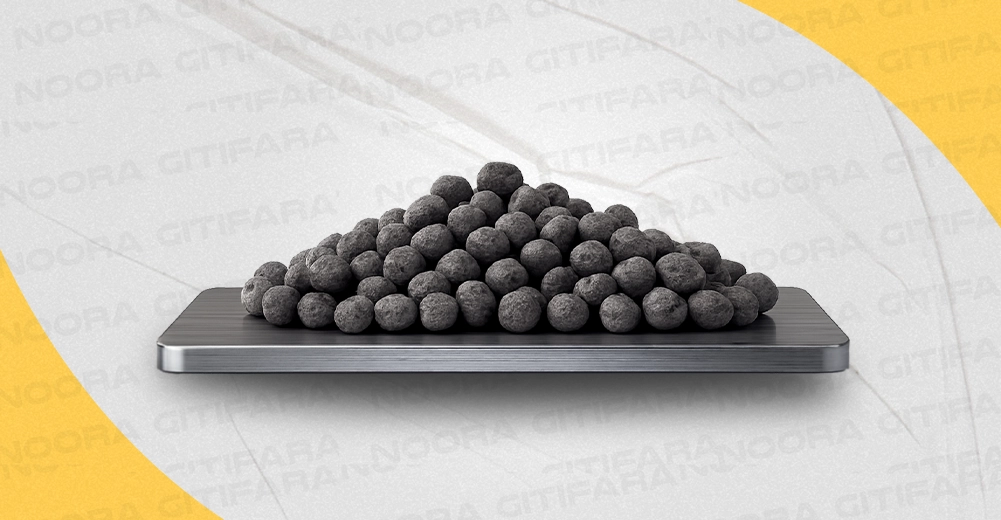
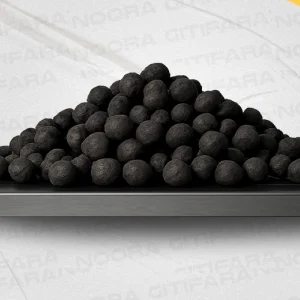
Pellet Form: The most common type with uniform size and easy furnace charging
-
Hot Briquetted Iron (HBI): Densified and compacted for safer transportation and export
-
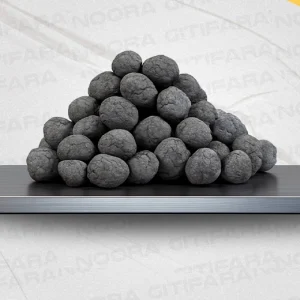
Cold Briquetted Iron (CBI): Produced at lower temperatures, ideal for storage and domestic use
-
Sponge Iron Powder: Used in specific industrial applications and powder metallurgy
Applications of Sponge Iron in Different Industries
-
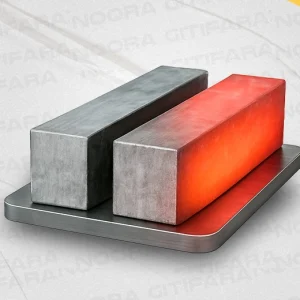
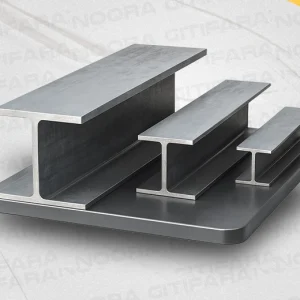
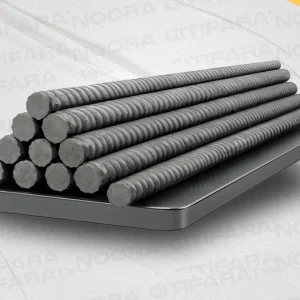
Steelmaking and Metallic Sections Production: Main raw material for manufacturing steel billets, rebars, beams, and steel sheets
-
Electric Arc and Induction Furnaces: Replaces scrap metal in the steel melting process
-
Alloy Steel Production: Used for producing special steel grades with precise chemical composition
-
Rolling and Casting Plants: Improves melting efficiency and controls the final quality of products
Advantages of Using Sponge Iron
-
Environmentally friendly compared to scrap melting
-
Uniform chemical composition and consistent steel quality
-
Energy- and cost-efficient in steel production
-
Long shelf life and resistance to oxidation







Reviews
There are no reviews yet.